Mixology The Art of Making Amazing Cocktails
in the field of beverages and drinks, mixology has emerged to become an art form celebrated for its originality, creativity, and the sheer delight it brings to the taste buds. There’s a fresh aspect to this tale that’s aEUR” an innovative trend that’s changing how mixologists interact with beverage enthusiasts alike: the utilization of spirits that are alcohol-free.
In this first section of our exploration into the spirit world that is alcohol-free for mixology, we’ll introduce you to this new trend, and why it is important. Take a look at the realm of sophisticated mixology that is alcohol-free and discover why it’s drawing an interest from bartenders as well as home-based enthusiasts across the globe.
The rise of alcohol-free Mixology
In the last few years, the world of mixology has gone through an evolution. In the past, great cocktails were required to be associated with alcohol. Mixologists, known by their proficiency in mixing spirits and liqueurs, are turning their attentions to crafting delicious drink recipes that are alcohol-free.
Why the Shift?
-
Health and Wellness: With a growing focus on wellness and health numerous people are searching for alternatives to traditional alcoholic beverages. Mixology that is alcohol-free offers the opportunity for you to enjoy premium drinks but without having to drink alcohol.
-
Inclusivity Alcohol-free cocktails are an all-inclusive solution for those that do not drink alcohol making sure that everyone at the bar or in the party will be able to enjoy tasty drinks that are tailored for their needs.
-
Creativity Unleashed Mixologists are taking on the challenge of constructing complex and nuanced flavours without the use of alcohol. This has led to a surge in creative recipes as well as unique combinations of ingredients.
Making Spectacular Drinks without Alcohol
Mixology isn’t about just making drinks. It’s about creating unforgettable experiences. Mixologists who drink alcohol-free spirits are redefining the possibilities. If you’re a professional bartender or an enthralled home enthusiast it opens doors to a new world of possibilities.
What to Expect to Find in this Article:
- Discovering the many alcohol-free spirits to choose from.
- Understanding the components that make these spirits magical.
- How to make tasty and balanced cocktails that are alcohol-free.
- Investigating presentation techniques to improve that mixology experience.
- The joy of mixing with your family and friends.
Once you’ve had a peek into the world of mixology without alcohol We’re now ready to dive into the deeper end. In the next chapter this article, we’ll talk about what alcohol-free spirits can be and the wide range of options to make the perfect alcohol-free cocktail. Let’s take a journey with a variety of tastes and creativity!
[Next step: Section 2: Exploring the World of Alcohol-Free Spirits]
Are you prepared to discover the ingredients and possibilities to transform your mixology routine? Let’s discover the fascinating world of alcohol-free spirits and begin making exceptional cocktails like nothing before!
Direct to Market Excellence: Order Bulk Non-Alcoholic Spirits from Swedish Distillers Now!
Exploring the World of Alcohol-Free Spirits
Uncovering the Secret Ingredients of Alcohol-Free Spirits
As we strive to master the art of mixology without alcohol knowing the essence and the soul of these creative cocktail recipes is essential. In this section, we’ll embark on voyage to discover different types of spirit that don’t contain alcohol. We’ll be able to decode the essence of them and how they operate their magic.
What Are Alcohol-Free Spirits?
Alcohol-free spirits which are commonly referred to or Spirits without alcohol, are innovative beverages that are designed to imitate the taste complex, aromas, and flavor of traditional spirits such as whiskey, gin and rum. What distinguishes these spirits in their distinctive absence of alcohol content, making them an excellent and enjoyable alternative for those who choose not to consume alcohol.
Important Features of Alcohol-Free Spirits:
-
Aucune Alcohol The spirits contain very little or no alcohol generally less than 0.5 percent ABV (alcohol per volume) so that consumers can relish the taste of spirits without the euphoric effects.
-
complex flavor profiles Mixologists and craftsmen have worked tirelessly to replicate the unique flavor profiles you find in alcohol-based spirits. They have taken into account the plant-based flavors in gin, the smokiness of whiskey, or the spicy flavor of rum.
-
Variety Alcohol-free spirits could be used as the basis for creating a myriad of alcohol-free cocktails, often referred to as mocktails.
-
Inclusion offers the diverse crowd, offering an option that is inclusive for people who are not drinking in order to satisfy personal preferences health or other reasons, or designated drivers who still want to enjoy the celebrations.
The Widespread of Alcohol-Free Options
Just as there’s a vast range of alcohol-based drinks to pick from, the alcohol-free spirit market gives you a wide selection of options, each with its unique flavor profile and characteristics. Let’s review of some of the most popular alcohol-free spirit categories:
1. Gin Alternatives
Bold as well Botanical
Ingredients:
- Botanicals like juniper berries, coriander, as well as citrus peels.
- Herbal and aromatic components like rosemary, basil, and thyme.
Taste Profile It is a refreshing, herbal and frequently with some citrus. Great for classic cocktails made with gin such as those of the Gin & Tonic.
2. Whiskey-Style Elixirs
Smoky and Complex
Ingredients:
- Toasted oak chips for the smoky notes.
- Spices such as cinnamon, cloves, and allspiceberries.
Flavor Profile: A rich, smokey and spicy, with warm spice undertones. Perfect for preparing whiskey-style cocktails such as Old Fashioneds or Whiskey Sours.
3. Rum Alternatives
Exotic as well as Sweet
Ingredients:
- Sugar cane syrups and extracts.
- Spices such as vanilla, cinnamon, and nutmeg.
Flavor Profile Sweet, slightly spicy, with hints of vanilla and tropical flavors. Great for creating alcohol-free versions of classic cocktails made with rum.
4. Vodka Substitutes
Neutral and Clean
Ingredients:
- Distilled water for a fresh base.
- Subtle flavorings like lemon zest or coriander seeds.
Flavor Profile: Fresh, clear and neutral, making it an ideal choice to mix with different cocktails.
The Ingredients that make these spirits magical
The secret to alcohol-free spirits is in the choice of high-quality ingredients and a precise crafting process. The spirits are created in order to capture the essence the alcohol-based spirits, relying on botanicals, herbs, and natural extracts to give them their distinctive flavor.
Basic Ingredients of Spirits that are alcohol-free Spirits:
-
Botanicals The key ingredient to make the distinctive flavor of gin alternatives. Apricot berries, citrus peels and coriander seeds make up a number of favorites.
-
Herbs and Spices They add complexity and depth to the spirits. Ingredients like cloves, cinnamon and nutmeg are frequently used.
-
Oak: For whiskey-style spirits, oak chips that are toasted can be used to add that sought-after smokiness along with depth.
-
Sweeteners: In some spirits, a touch of sweetness from ingredients like syrups or sugar cane extracts is added to balance the flavors.
-
Citrus: Lemon and orange zests are commonly used to brighten the overall flavor and offer a refreshing twist.
After having uncovered the mysteries behind alcohol-free spirits, you’re well-equipped to embark on your own mixology journey. In the next article, we’ll explore the creation of delicious and balanced alcohol-free drinks. Make sure you shake, stir, and savor!
Next up: Section 3: Crafting Spectacular Drinks with Alcohol-Free Spirits»
Are you excited to start crafting your own alcohol-free cocktails? Join us in exploring the art of mixology using these wonderful spirits!
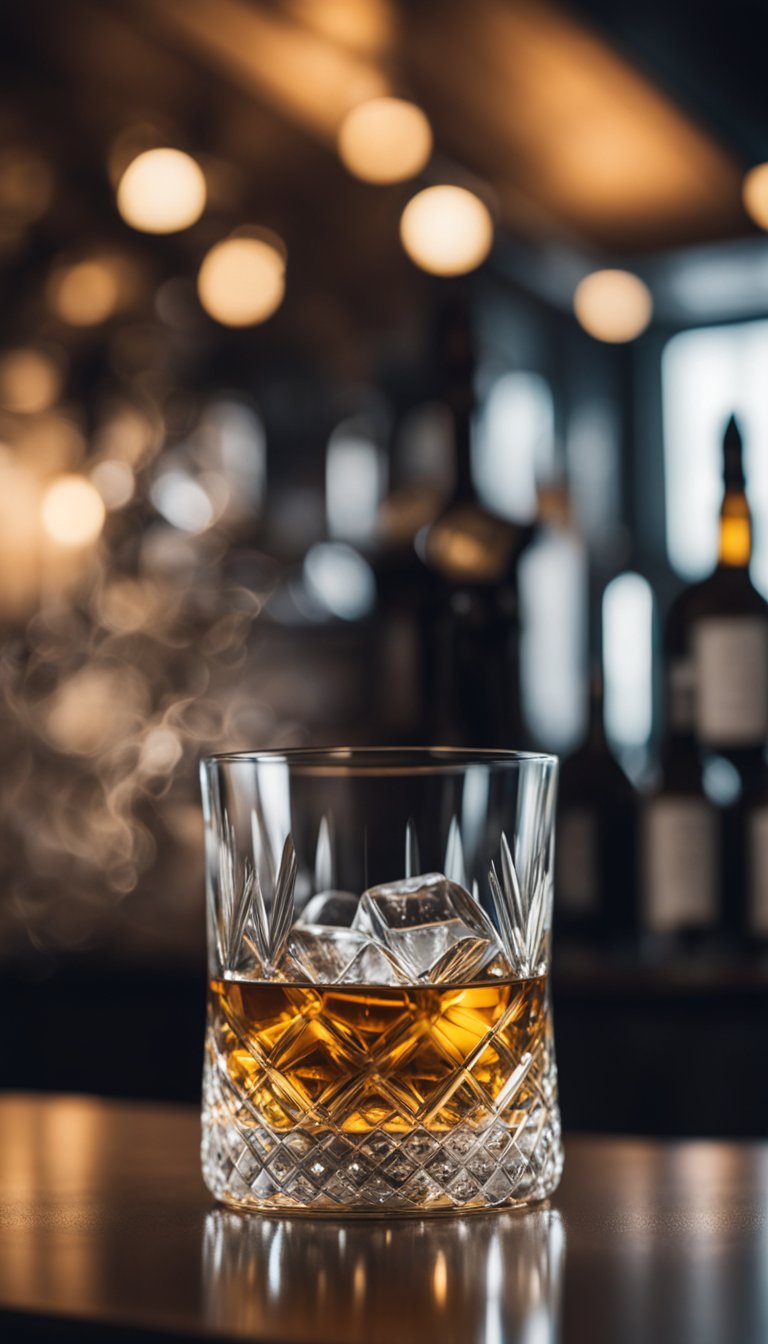
Designing Spectacular Cocktails with Alcohol-Free Spirits
Improve Your Mixology Game by creating unique alcohol-free Cocktails
As we delve deeper into the industry of alcohol-free spirits in mixology It’s time to put up our sleeves to get creative with crafting spectacular drinks. In this section we’ll discuss the fundamental tools to create tasty profiles, and provide step-by-step cocktail recipes to appeal to your taste buds and delight your guests.
The Mixologist’s Arsenal
Before we start our mixing adventure, make sure you have the proper tools at your disposal. While some of them may already be used by experienced mixologists but they’re equally useful for those who are just beginning:
1. Cocktail Shaker: An iconic instrument used for mixing and chilling cocktails. Choose between a Boston shaker (two-piece) or a cobbler shaker (three-piece) depending on your preferences.
2. Mixing Glass: Perfect pouring cocktails and allowing for precise temperature and dilution control.
3. Muddler is a device for gently breaking down ingredients like herbs fruits, and sugar cubes to release their flavor.
4. Jigger: a measuring tool equipped with two edges, which are typically 1-ounce and 1.5-ounce measures. This allows for precise pouring.
5. Bar Spoon Bar Spoon: A long skinny spoon used to stir drinks without causing any over-dilution.
6. Strainer: Ensure that the cocktails are properly strained, keeping ice and solid ingredients from the glass.
7. Ice: High-quality, clear Ice cubes and spheres are essential to preserve the integrity of your cocktails.
8. Glassware: Different drinks require specific glasses, and having several glasses on hand is helpful. The most common types are rocks glasses highball glasses,, and martini glasses.
Building Flavorful Profiles
Crafting exceptional alcohol-free cocktails is all about creating harmonious and balanced flavors. Here are a few tips that will help you to create the perfect balance of taste:
1. Balance is key Take note of the balance of bitter, sweet, sour, and umami flavors in your cocktails. You can adjust the ingredients’ quantities to reach the balance you want.
2. Layering Flavors: Think about layers of ingredients based on density. For syrups that are heavier, they should be added first, followed by spirits, and then, lighter mixers.
3. Garnishes and Aromatics: Garnishes, such as orange twists and herbs, or edible blooms not only add visual appeal, but also contribute aromatic notes to your beverage.
4. Fresh Ingredients: Whenever possible make use of fresh juices from fruit or herbs as well as spices to enhance your cocktails with authentic, vibrant tastes.
5. Try it out: Don’t be scared to experiment with different ingredients, flavor combinations, and garnishes. Creativity is at the center of mixology.
Step-by-Step Cocktail Recipes
After you’ve mastered the fundamental tools and theories of mixology. We’ll set those abilities to the test by making three amazing alcohol-free cocktail recipes. These recipes demonstrate the versatility of alcohol-free spirits as well as the endless possibilities to make exceptional drinks:
1. Citrus Splash
Ingredients:
- 1 oz Citrus-Infused Vodka Alternative
- 2 oz sparkling water
- 1/2 oz fresh lemon juice
- 1/2 oz fresh orange juice
- Fresh mint leaves for garnish
Instructions:
- Place ice in a glass.
- The Citrus-Infused vodka alternative can be added with fresh lemon juice in addition to fresh orange juice.
- Finish with sparkling water.
- Stir gently, then garnish with fresh mint leaves.
2. Herbal Bliss
Ingredients:
- 1 oz Herbal Gin Alternative
- 1/2 oz elderflower syrup
- 3 oz of tonic water
- Fresh basil leaves for garnish
Instructions:
- The glass should be filled with ice.
- In The Herbal Gin Alternative and elderflower syrup.
- Then top with a glass of tonic water.
- Stir gently and sprinkle with basil leafs.
3. Smoky Elixir Sweet
Ingredients:
- 1 oz Whiskey-Style Elixir
- 3/4 oz fresh lemon juice
- 1/2 oz simple syrup
- Ice
- Lemon twist to add flavor
Instructions:
- Fill a shaker with cocktail an ice cube.
- Add the Whiskey-Style Elixir and fresh lemon juice and simple syrup.
- Shake vigorously.
- Strain into a rocks glass filled with some ice.
- Make sure to garnish with a twist of lemon.
Once you’ve learned the recipes for cocktails and have mastered the cocktail recipes, you’re on your way to becoming a professional mixologist. In the next chapter we’ll push your mixology skills to a higher stage by learning about presentation and garnishing methods that will amaze your guests.
[Next up: Section 4: Elevating Your Mixology Game]
Would you like to amaze with your newfound knowledge?
Elevating Your Mixology Game
presentation and garnishing Techniques to prepare Spectacular drinks that do not contain alcohol.
Welcome back to our exploration into the fascinating world of mixology that is alcohol-free. In this part, we’re going help you take your mixology game further by looking at the presentation and garnishing techniques that will inspire your guests. We all know that well-crafted cocktails can be enjoyed more tastefully but is also an added layer of class to the drinking experience.
Presentation Is Key
The visual appeal of a cocktail is an element that first grabs the attention of your guests. Here are some tips on how to present your alcohol-free cocktails so that they make them irresistible:
1. Glassware Selection: Select the best glass to serve your cocktail. The ideal glass should compliment the drinks flavor and style. For instance glasses for martinis are perfect for sophisticated cocktails, as is a highball drinker’s glass. the tall drinks that are refreshing and cool.
2. Clear Ice: Use crystal clear excellent ice cubes or spheres that not only keep your drinks cool, but also stand out with the glasses. Ice that is cloudy may detract from the overall design.
3. Proper Pouring The proper way to pour your cocktail inside the glass it in a manner that is safe from spills and ensure that your drink is visually appealing.
4. Garnish Placement: Plan to place the garnishes on a table that enhances the look of the drink. A citrus twist can be draped around one of the edges, or suspended on the top.
5. Color Contrast: Pay attention to the hues of the ingredients. A cocktail that has contrasting colors can be visually captivating. Explore layering techniques to produce visually pleasing effects.
Garnishing Techniques
Garnishes resemble the final strokes on a work of art. They bring depth, aroma and a final touch that makes your drink go from ordinary to extraordinary. Here are some garnishing techniques to master:
1. Citrus Twists: Use a vegetable peeler or a special citrus zester create elegant, long spirals made of peeling citrus. These not only look beautiful but also release aromatic oil when twisted. This can enhance the aroma of the drink.
2. Herb Sprigs Fresh herbs like mint or basil make great garnishes. Do a gentle clap or tap on the herbs before adding them in the cocktail so that they release the scent of their oils.
3. Edible Flowers: Delicate edible flowers like violets pansies and nasturtiums can add elegance and colour to your cocktails. Ensure they are safe for consumption.
4. Skewers and Picks: Garnishes that include cherries, olives or berries are able to be skewered, then placed on the edge of the glass to make a classy presentation.
5. Rimming Methods: For certain drinks, rimming the glass with sugar, salt or spices may add an aesthetic and flavor. Use citrus juices or syrups to make the rimming materials stick.
Hosting a Memorable Mixology Gathering
Once you’ve honed your presentation and garnishing skills then it’s time to put them to work by holding a memorable cocktail party. Whether it’s a cocktail party with a group of friends or an important celebration, here are a few suggestions to make your event memorable:
1. Themed Decor: Look into a theme for your event and decorate according to. Themes like tropical luau or vintage speakeasy can create the mood and improve the enjoyment.
2. Signature Cocktails: Create an alcohol-free signature cocktail for your event which reflects the theme of the event or. Give it a catchy name in order to keep it awe-inspiring.
3. Interactive Stations Set up interactive cocktail making stations that allow guests to create their own drinks. Give a variety of alcohol-free spirits, mixers, and garnishes for creative experiments.
4. Tasting Notes: Recommend guests to make notes about each cocktail they attempt. This will help you have interesting conversations and can help you refine your mixing abilities.
5. Mocktail Menus: Give guests the option of alcohol-free cocktails and let guests pick their favorite. You can include a mixture of sweet and more sour options.
With these presentation and garnishing techniques and your new mixology expertise, your guests will be treated to a treat at your next gathering. In the following section we’ll discuss the importance of sharing your love of mixology friends and family.
[Next up: Section 5: Sharing the ExperienceThe Experience
Are you ready to showcase your mixology talents and impress your guests with stunningly presented cocktails that are alcohol-free? Let’s dive deeper into the world of mixology and discover the pleasure of sharing these wonderful drinks!

Sharing the Fun of Mixology
Inviting People to Connect Through Mixology without alcohol
Our journey through the world of alcohol-free spirit for mixology is coming to an end, there’s one crucial aspect we haven’t explored yetaEUR”the enjoyment of sharing the experiences. Mixology doesn’t only revolve around making great cocktails, it’s about creating meaningful moments and bonds to family and friends. In this final segment we’ll look at the importance to share your passion for mixing and provide some tips on creating a positive experience.
It’s the Joy of Mixology Gatherings
Mixology gatherings are more than just a chance to showcase your cocktail-making skills; they’re an opportunity for you to create memorable memories and strengthen bonds friends and family. Here’s why hosting mixology gatherings is an exciting experience
1. Creative and collaborative: Mixology events foster collaboration and creativity. Visitors can experiment with a variety of types of flavors, talk about ideas and even compete to create the most delicious concoctions.
2. Inclusivity: Alcohol-free mixology allows everyone to attend, regardless of their preferences for alcohol. This guarantees that all guests can be part of the party.
3. Learning and appreciation The hosting of a mixology party can be a fun and educational event for your guests. You can teach them about the art of mixology and also the different alcohol-free spirit, as well as the importance for balance when crafting cocktails.
4. To create memories: The distinct drinks and the fun shared at cocktail parties will leave lasting memories that your guests will remember.
Tips to Host an event Mixology Gathering
Ready to share the love of mixing with friends and family? Here are some helpful tips to help you make your next gathering enjoyable and successful. mixology party:
1. Plan ahead: Choose the theme, cocktails and other recipes prior to the event. Create a shopping list and ensure you have all ingredients needed and garnishes.
2. Interactive Stations Create interactive cocktail-making stations, complete with alcohol-free spirits mixers, and garnishes. Set clear guidelines and encourage guests to get creative.
3. Signature Cocktails: Design a several signature alcohol-free cocktails to serve your guests to enjoy. It is important to have options catering to different taste preferences.
4. Tasting Notes: Offer tasting cards or sheets for guests to jot down their impressions about each cocktail. This brings a more educational dimension to the gathering, and also sparks interesting discussions.
5. The safety first principle: If you have guests who might not be familiar with alcohol-free cocktails be sure to remind them about the importance having a controlled drinking habit.
6. Music and Ambiance The mood can be set with the music and décor that go with the theme of the gathering. In creating the right atmosphere, it enhances the overall experience.
7. Share the recipes: At the end of the event make sure to share the recipe of your cocktail at the table with all your guests. This way, they’ll be able to recreate their preferred drinks at home.
The End: An Adventure Through Mixology
In this series, we’ve embarked in the exciting realm of alcohol-free spirits for mixology. From understanding the rise of alcohol-free mixology to exploring the options for alcohol-free spirits, making delicious cocktails, and mastering the art of presentation as well as garnishing This series has covered it all. Mixology isn’t only a method of making cocktails; it’s an art that brings people together, fosters creativity, and celebrates inclusiveness.
We hope this series given you the motivation to explore the world of non-alcoholic mixology and share the experience with your loved family members. It doesn’t matter if you’re an experienced mixologist or just starting out you’ll always find something new to discover and explore in the world of cocktails.
So, get up and raise your glassaEUR”whether you’re drinking an alcohol-free drink or a classic favoriteaEUR”and offer a toast to the delights of mixing. Cheers!
Have you missed any of our journey through mixology? Here’s how to recap:
-
Section 1: Introduction to alcohol-free spirits for Mixology
-
Section 2: Exploring World of Alcohol-Free Spirits
-
Chapter 3 Making spectacular drinks using alcohol-free Spirits
- Section 4: Elevating Your Mixology Game]
Thank you for joining us in this journey of mixology. We look forward to continuing your exploration of the world of alcohol-free spirits and the wonderful cocktails they make.